After another Wisconsin winter, your home needs plumbing maintenance and prevention. I’ve been serving Waukesha families since 2006, and every spring I see the same pattern: homeowners who skip their spring plumbing checklist end up calling me for emergency repairs that could have been prevented.
Here in Waukesha County, where many of our homes were built between the 1960s and early 2000s, spring plumbing maintenance isn’t optional, it’s essential. Let me walk you through what needs checking after winter takes its toll on your pipes.
Why Spring Plumbing Maintenance and Prevention Matters
Wisconsin winters are brutal on plumbing. When water freezes, it expands by over 9%, putting tremendous stress on pipes, connections, and fixtures. Even if nothing burst during the cold months, those freeze-thaw cycles create weaknesses that show up as leaks once spring arrives and water flows freely again.
Seasonal soil movement can also shift and damage underground pipes. Add spring rains to the mix, and you’ve got a recipe for basement flooding if your sump pump isn’t ready.
Think of spring plumbing maintenance and prevention like this: your home’s plumbing system is emerging from winter like a bear from hibernation. It might look fine on the surface, but it needs a thorough check-up before the active, rainy season begins.
Critical Post-Winter Leak Detection
The first priority in spring plumbing maintenance and prevention is finding leaks before they cause serious damage.
Indoor Signs to Watch For:
- Bubbling or peeling paint
- Warped wood or damp drywall
- Moisture on exposed pipes in basements or under sinks
- Water stains on ceilings below bathrooms
- Unexplained increases in your water bill
- Reduced water pressure
- Musty odors or visible mold
- Unusual sounds of running water when nothing is on
Check underneath every sink in your home. Look at exposed pipes carefully. Small cracks that developed when pipes froze can become major leaks now that water is flowing normally.
The Water Meter Test: Here’s a simple DIY check I recommend to every Waukesha homeowner. Turn off all water usage in your home, no showers, dishwasher, washing machine, nothing. Check your water meter reading, wait two hours, then check again. If the meter moved, you have a leak somewhere.
The Toilet Check: Add a few drops of food coloring to your toilet tank. Wait 15-30 minutes without flushing. If color appears in the bowl, you’ve got a leak that’s wasting water and money.
Appliance Hose Inspection
While you’re checking for leaks, inspect your washing machine and dishwasher hoses. Look for cracks, bulging, or any signs of wear. If these hoses are ten years or older, replace them now—don’t wait for them to burst and flood your laundry room.
I always recommend stainless steel replacement hoses. They cost a bit more upfront, but they last longer and give you peace of mind. That’s the value approach I’ve built my business on.
Test Your Valves
When was the last time you operated your main water valve? If it’s been years, mineral buildup might have locked it in place. Spring is the perfect time to locate your main water valve and all your supplemental shut-off valves.
Open and close each valve a few times to loosen any buildup. If a valve is difficult to operate or won’t move, call me before you force it and cause damage. A valve that won’t close in an emergency is useless, and replacing one is far cheaper than water damage.
Preparing for Spring Rains: Sump Pump Readiness
In Waukesha, spring means rain, and rain means your sump pump needs to be ready. Sump pumps typically sit idle all winter, and that’s when problems develop.
Test Your Sump Pump: Pour one or two buckets of water into the sump pit to raise the float switch. The pump should activate immediately and drain the water. If nothing happens, check that it’s plugged in and the breaker hasn’t tripped.
Remove any debris from the pit and check the discharge line for blockages. Test your battery backup system too—it’s your insurance policy when the power goes out during a storm.
Signs Your Sump Pump Is Failing:
- Cycling on and off frequently
- Unusual grinding or rattling noises
- Running constantly
- Visible rust or corrosion
Sump pumps last about 7-10 years. If yours is approaching that age, consider replacing it before it fails during the next heavy rain. Trust me, a new sump pump costs far less than basement flood damage.
Gutter and Outdoor Drain Maintenance
Your spring plumbing maintenance and prevention extends beyond what’s inside your home. Clogged gutters and outdoor drains can cause water to pool around your foundation, leading to basement seepage and drainage problems.
Clean out gutters and downspouts, removing leaves, twigs, and any debris that accumulated over winter. Make sure downspouts drain at least four feet away from your house. Inspect outdoor drains and clear any blockages before the rainy season hits.
If you have chronic basement water issues during spring rains, we should talk about installing a backwater valve on your main sewer line. It acts like a check valve, preventing city sewer backups from entering your home through basement floor drains.
Water Heater Inspection
Your water heater worked overtime all winter. Now’s the time to give it some attention.
Spring Water Heater Checklist:
- Inspect for rust or corrosion, especially at the bottom of the tank
- Drain 2-3 gallons to flush out sediment that reduces efficiency
- Verify the temperature is set to 120°F
- Check for any leaks around connections
Sediment buildup from Wisconsin’s hard water is a major issue. That’s iron, magnesium, and calcium settling at the bottom of your tank, causing blockages and reducing efficiency. Regular flushing extends your water heater’s life.
If your water heater is over 15 years old, we should discuss replacement. Modern, energy-efficient models save money on your monthly bills and are far less likely to fail when you need hot water most.
Indoor Drain Maintenance
Slow drains are common in spring. Throughout winter, food particles, oils, and other debris accumulate in your pipes. When things slow down, it’s time for professional drain cleaning.
I use camera inspections to identify exactly what’s causing the problem no guessing, no unnecessary work. That’s the transparent approach Waukesha homeowners appreciate.
Quick Drain Tips:
- Pour water down infrequently used drains to keep P-traps filled and prevent odors
- Grind ice cubes in your garbage disposal to clear buildup
- Clean washing machine lint traps after each use
Outdoor Spigots and Hose Bibs
Here’s where winter damage often hides. When you turn on an outdoor spigot for the first time in spring, pay attention. If water leaks inside your home, the pipe likely froze and burst over winter.
Watch for unusual water pressure sudden bursts or pressure loss. Listen carefully after shutting off the spigot. If you still hear water running, you’ve got a problem.
Frozen hose bibs typically crack right where they exit the wall or just inside. If you discover a leak, we’ll need to replace it with a frost-free hose bib that’s properly installed to prevent future freezing.
Sprinkler Systems and Underground Lines
If your sprinkler system wasn’t properly winterized, underground lines may have frozen and cracked. When you reactivate the system, watch for ground saturation, water pooling, or soggy areas that weren’t there before.
Check inside your home for any water damage after turning on the sprinklers. Monitor water pressure significant drops indicate a leak somewhere in the system.
Tree Root Intrusion
Spring brings growth including tree roots searching for water. Roots can infiltrate your main sewer line, causing blockages that manifest as super-slow drains or backups when you flush toilets.
If you’re experiencing these symptoms, call me immediately. Severe root intrusion may require specialized repair, and catching it early prevents more extensive damage.
When to Call Waukesha Plumbing
Some spring plumbing maintenance and prevention you can handle yourself. But certain situations require professional expertise:
- Valves that won’t operate properly
- Signs of water damage when you can’t locate the source
- Persistent slow drains despite your cleaning efforts
- Suspected root intrusion in your sewer line
- Hidden leaks that require specialized detection equipment
DIY inspections catch obvious issues, but I use acoustic equipment and infrared cameras to find leaks hiding in walls or underground. Finding problems early saves money that’s value, not just low price.
Make Spring Plumbing Maintenance and prevention a Priority
Every spring, I talk to homeowners who wish they’d done these checks before problems became emergencies. In Waukesha’s older housing stock, prevention isn’t just smart it’s essential to protecting your investment.
Spring plumbing maintenance and prevention should be part of your annual routine, just like changing furnace filters or testing smoke detectors. Quality maintenance now prevents expensive repairs later. That’s been my philosophy since 2006, and it’s why 95% of my business comes from referrals and repeat customers.
Schedule Your Spring Plumbing Maintenance and Prevention Inspection
Ready to give your plumbing system the spring check-up it needs? Contact Waukesha Plumbing today at 1-262-224-8377 and I’ll walk through your home systematically, checking everything on this list and more. You’ll get transparent pricing, honest advice about what truly needs attention, and the peace of mind that comes from knowing your home is ready for spring.
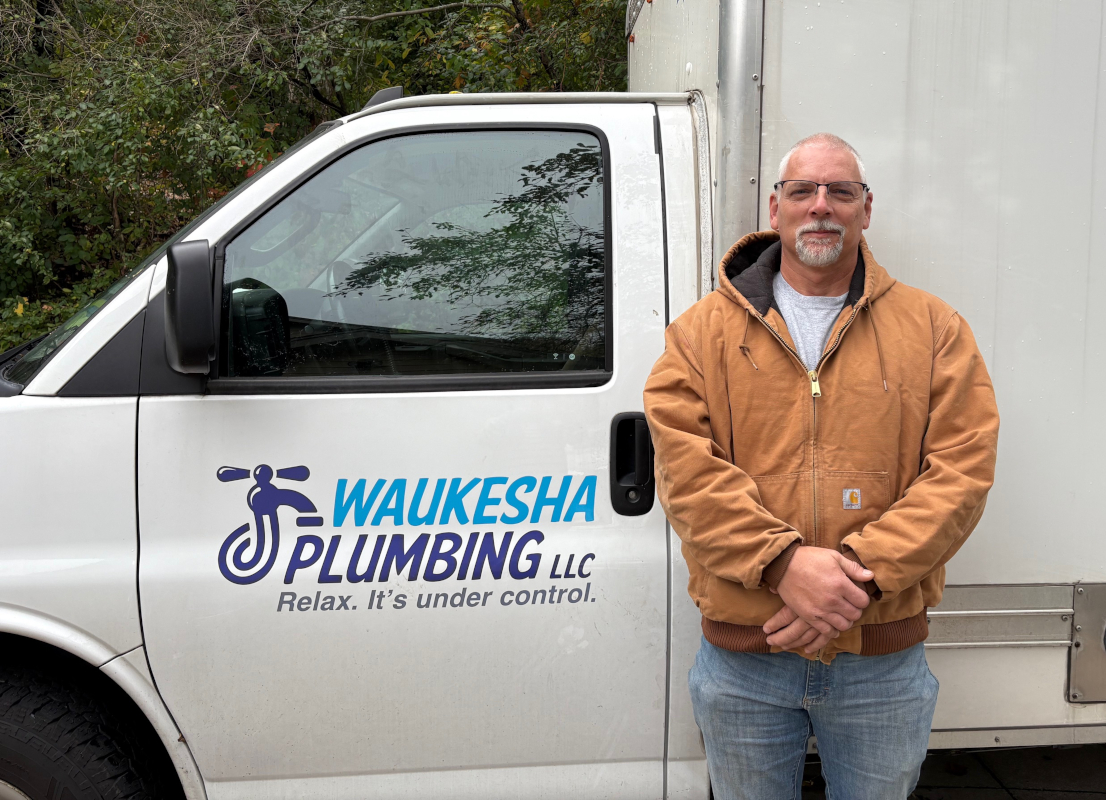
I started Waukesha Plumbing in 2006 because I saw too many plumbers cutting corners and treating customers like one-time transactions. My approach has always been different. I believe in doing quality work that is built to last, along with the customer service that you deserve.
When you’re ready to experience the Waukesha Plumbing difference, I invite you to contact me so I can help you make your next plumbing project a success!
Dave Treutelaar,
Master Plumber, Waukesha Plumbing LLC
Schedule a service call