Over the last 20 years as a plumber, I’ve learned one thing for certain: small plumbing problems never stay small. That dripping faucet you’ve been ignoring? That slightly slow drain? These plumbing warning signs are your home’s way of telling you something needs attention before it becomes a costly emergency.
Many of the homes I service in Waukesha County were built between the 1960s and early 2000s. These homes have plumbing systems that have served well but are showing their age. Knowing what to watch for can save you thousands in emergency repairs and prevent the kind of water damage that destroys property values.
Let me walk you through the top plumbing warning signs every homeowner should recognize—and what they’re really telling you.
1. Persistent Leaky Faucets (The Constant Drip)
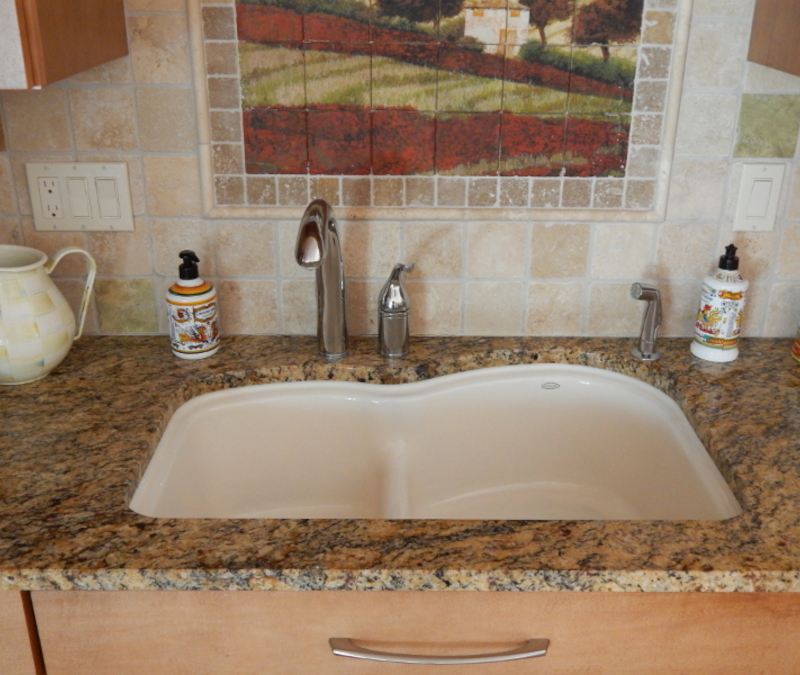
That rhythmic drip keeping you awake at night isn’t just annoying—it’s wasteful and expensive. A single dripping faucet can waste thousands of gallons per year, driving up your water bill and indicating worn washers, O-rings, or corroded valve seats.
More importantly, persistent leaks often signal that other fixtures in your home are experiencing similar wear. If one faucet is leaking, others probably aren’t far behind.
The fix is usually straightforward, but ignoring it means higher bills and potential damage to cabinets and fixtures. When you notice a drip, address it promptly.
2. Clogged or Slow Drains
One slow drain is a nuisance. Multiple slow drains throughout your home? That’s a plumbing warning sign pointing to a bigger problem—potentially a blockage in your main sewer line.
In Waukesha’s older homes, I often find years of accumulated buildup: grease, soap scum, hair, and foreign objects gradually narrowing pipes. Sometimes tree roots have infiltrated the line, seeking water and creating major blockages.
If you’re using a plunger frequently or pouring chemical drain cleaners down your pipes regularly, you’re treating symptoms instead of solving the problem. Professional drain cleaning with camera inspection shows exactly what’s happening inside your pipes, allowing us to fix the real issue.
Chemical drain cleaners, by the way, can actually damage older pipes. They’re a short-term fix that can create long-term problems.
3. Low Water Pressure
Sudden low water pressure usually means something has changed in your plumbing system. Gradual decline over time often indicates mineral buildup—common in Wisconsin’s hard water—or corroding pipes.
If low pressure affects only one fixture, the issue is localized—probably a clogged aerator or a problem with that specific fixture. When multiple fixtures have low pressure, you’re looking at a system-wide issue.
In older Waukesha homes with galvanized pipes, declining pressure often means those pipes are corroding from the inside out. The interior diameter gets narrower as corrosion builds up, choking off water flow. Eventually, those pipes fail completely.
Low water pressure is one of those plumbing warning signs that homeowners sometimes live with for years, not realizing it’s indicating serious deterioration that will eventually require expensive repairs.
4. Unusual Noises from Pipes (Banging, Rattling, Groaning)
Your pipes shouldn’t sound like they’re having a conversation. Banging, rattling, or groaning pipes are trying to tell you something.
Water hammer—that loud banging when you shut off a faucet—happens when water flow stops suddenly and pressure waves slam through your pipes. It can damage pipe connections and fixtures over time.
Rattling usually means pipes aren’t properly secured and are vibrating against wall framing. Left alone, this can wear through pipes or loosen connections.
Groaning or whistling often indicates restricted flow—partially closed valves, mineral buildup, or worn-out washers.
These noises aren’t normal, and they indicate stress on your plumbing system. Addressing them early prevents more serious damage down the road.
5. Discolored or Rusty Water
Turn on your tap and see brown or rusty water? That’s corrosion, and it’s one of the plumbing warning signs you absolutely cannot ignore.
If discoloration happens only with hot water, your water heater is corroding internally. If it affects both hot and cold water, your pipes are deteriorating.
In homes with older galvanized pipes, rusty water often appears gradually as the zinc coating inside the pipes wears away and the steel underneath begins to rust. Once this process starts, it accelerates. Those pipes are on borrowed time.
Discolored water isn’t just unsightly—it can stain fixtures, ruin laundry, and indicate that your plumbing system needs immediate attention before pipes fail completely.
6. Foul Odors from Drains (Sewer Smells)
Sewer gas smells in your home are more than unpleasant—they’re a health hazard and a clear plumbing warning sign.
The P-trap under each drain holds water that blocks sewer gases from entering your home. If you smell sewage, something has compromised this barrier. Common causes include:
- Dried-out P-traps in unused drains
- Cracked or damaged drain pipes
- Improperly vented plumbing
- Blockages in the sewer line
In older Waukesha homes, I sometimes find venting that doesn’t meet current codes, or drain lines that have developed cracks over decades of use. Sewer smells demand immediate attention. They indicate a problem that affects both your home’s comfort and your family’s health.
7. Running Toilets
A toilet that runs constantly isn’t just wasting water—it’s wasting your money. A running toilet can waste hundreds of gallons per day, significantly increasing your water bill.
Usually, the problem is a worn flapper valve, faulty fill valve, or improper float adjustment. These are relatively inexpensive fixes that pay for themselves quickly through reduced water bills.
The real concern is when homeowners ignore this plumbing warning sign for months or years. That’s thousands of gallons and hundreds of dollars literally going down the drain.
8. Water Stains, Wet Spots, or Mold Growth (Hidden Leaks)
Water stains on ceilings, walls, or floors are serious plumbing warning signs that water is going where it shouldn’t. Hidden leaks cause the worst damage because they go unnoticed until significant harm is done.
Watch for:
- Ceiling stains below bathrooms
- Warped or discolored walls
- Musty odors even when everything appears dry
- Mold or mildew growth
- Unexpectedly warm spots on floors (indicating a hot water leak beneath)
- Soft or spongy spots on floors
In Waukesha’s older homes, I often find leaks that have been slowly damaging structure and creating mold problems for years before anyone realizes there’s an issue. By the time visible stains appear, there’s usually significant hidden damage.
If you notice these signs, finding the source quickly is critical. Sometimes it requires specialized leak detection equipment to pinpoint problems hidden behind walls or under slabs.
9. High Water Bills Without Explanation
Your water bill suddenly jumped, but your usage hasn’t changed? That’s one of the clearest plumbing warning signs you have a leak somewhere
Sometimes it’s obvious—a running toilet or dripping faucet. But often, the leak is hidden: a small crack in a pipe behind a wall, a slow leak under your slab, or a faulty water heater connection.
I recommend the water meter test to every homeowner who mentions increased bills: turn off all water use, check your meter, wait two hours, and check again. If the meter moved, water is flowing somewhere it shouldn’t be.
Finding that leak early prevents thousands in wasted water and potential property damage. High water bills are your wallet telling you to investigate before a small problem becomes a disaster.
10. Aging or Malfunctioning Water Heater
Water heaters don’t last forever—typically 10-15 years. As they age, warning signs appear:
- Rust-colored hot water
- Rumbling or popping noises (sediment buildup)
- Water pooling around the base
- Inconsistent water temperature
- Visible corrosion on the tank
Wisconsin’s hard water accelerates sediment buildup, reducing efficiency and shortening lifespan. If your water heater is over 10 years old and showing these plumbing warning signs, it’s time to discuss replacement before it fails catastrophically.
A failed water heater can flood your basement with 40-50 gallons of water. Replacing it proactively on your timeline costs far less than emergency replacement plus water damage repairs.
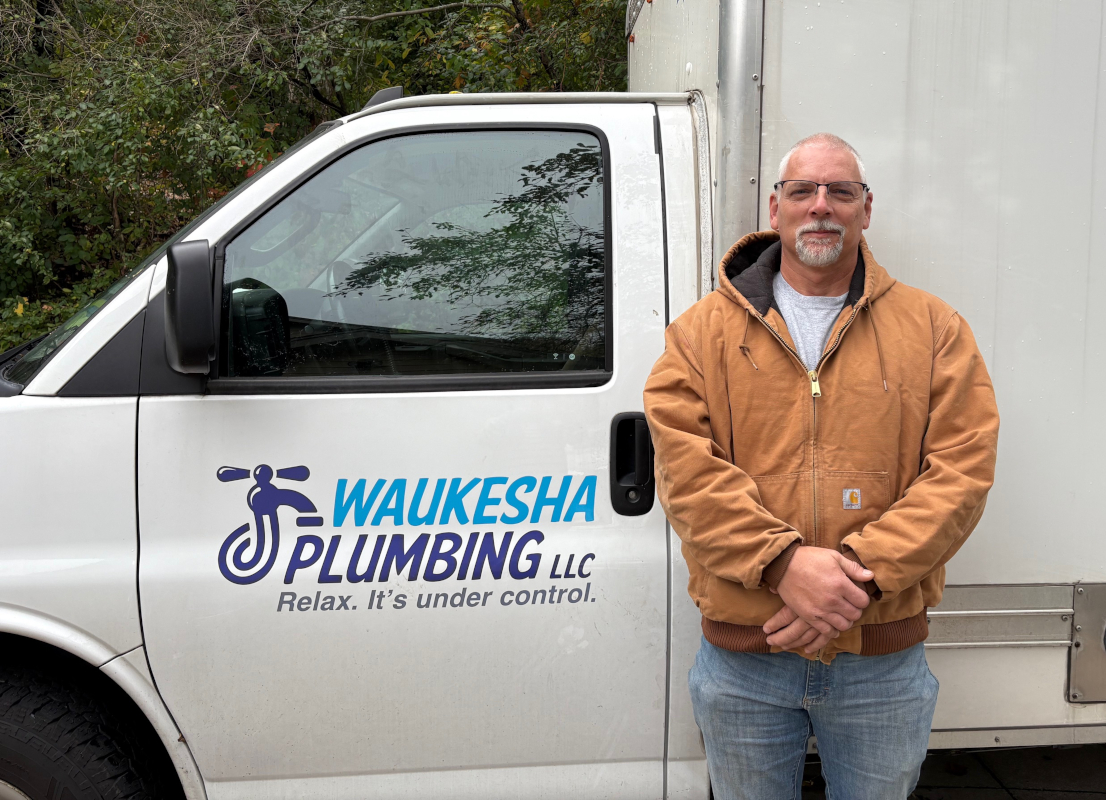
I started Waukesha Plumbing in 2006 because I saw too many plumbers cutting corners and treating customers like one-time transactions. My approach has always been different. I believe in doing quality work that is built to last, along with the customer service that you deserve.
When you’re ready to experience the Waukesha Plumbing difference, I invite you to contact me so I can help you make your next plumbing project a success!
Dave Treutelaar,
Master Plumber, Waukesha Plumbing LLC
Schedule a service call
I started Waukesha Plumbing in 2006 because I saw too many plumbers cutting corners and treating customers like one-time transactions. My approach has always been different. I believe in doing quality work that is built to last, along with the customer service that you deserve.
When you’re ready to experience the Waukesha Plumbing difference, I invite you to contact me so I can help you make your next plumbing project a success!
Dave Treutelaar,
Master Plumber, Waukesha Plumbing LLC
Schedule a service call